
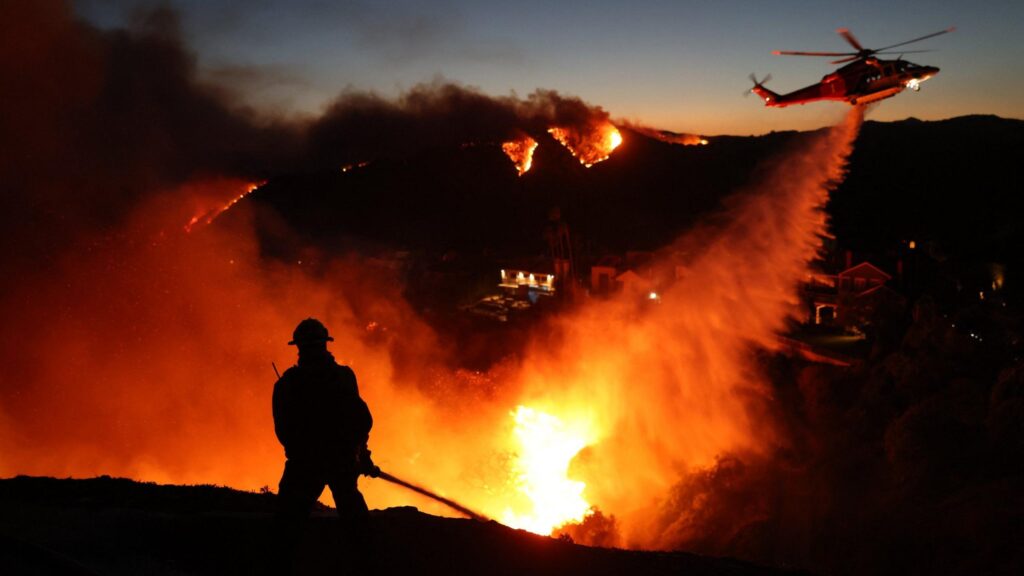
On January 13, 2025, a major wildfire broke out in the Los Angeles area, sparking a flurry of emergency response efforts and leaving residents on edge as they braced for the fire’s full impact. Fueled by dry conditions, strong winds, and the ever-present threat of escalating climate challenges, this fire quickly became one of the most significant outbreaks in recent memory, creating widespread disruption and distress.
A Sudden Outbreak Amid Vulnerable Conditions
The fire, which started in the early afternoon, rapidly spread across several areas of Los Angeles County. Firefighters were immediately dispatched to battle the blaze, but the combination of high winds and unseasonably warm temperatures made containment difficult. Known as the Santa Ana winds, these gusty, dry winds play a key role in the rapid spread of fires in Southern California, and they were a contributing factor to the fire’s rapid escalation on Sunday.
In addition to the wind conditions, California is experiencing one of its driest periods in recent memory, with minimal rainfall in recent months. This drought-like atmosphere has left vegetation, especially brush and trees, highly flammable, creating a dangerous environment for wildfires to flourish.
Evacuations and Safety Measures
As the fire advanced, mandatory evacuations were issued for several neighborhoods, particularly in areas near Griffith Park and the outskirts of the San Fernando Valley. These areas, heavily populated with both residential homes and businesses, were among the hardest hit by the spreading flames. For many families, evacuation meant leaving behind homes and belongings in the hope of escaping the rapidly moving inferno.
Local authorities set up evacuation centers and shelters for displaced residents, with Los Angeles officials urging those in danger zones to leave immediately. The Los Angeles Fire Department (LAFD) and other emergency responders worked quickly to ensure that all safety protocols were in place, including road closures and temporary firebreaks designed to slow the fire’s spread.
While firefighting crews are well-equipped and experienced in handling wildfires, the scope of this outbreak has tested their resources. The fire raged well into the night, and as of January 14, 2025, containment efforts were still ongoing, with more than 10% of the fire area controlled.
Air Quality and Health Risks
One of the immediate consequences of yesterday’s fire is the alarming air quality. As smoke filled the air, residents throughout the city reported hazy skies and worsening air conditions. The fine particulate matter from the fire poses a serious risk to respiratory health, especially for vulnerable populations, including the elderly, children, and those with pre-existing health conditions such as asthma or COPD.
As the fire continues to burn, air quality monitoring stations across the city have been working to track pollution levels. Health officials advised people to stay indoors as much as possible and wear N95 masks if they must go outside to minimize exposure to harmful smoke and ash particles.
Destruction and Losses
While the full extent of the damage is still being assessed, the destruction has already been significant. Homes, cars, and other structures have been consumed by the flames, particularly in areas closer to the fire’s epicenter. The emotional toll on those who lost their homes or are still waiting to return to find out the fate of their properties is heartbreaking.
Additionally, the fire has threatened some of the city’s cherished parks and nature reserves, including parts of Griffith Park, one of the largest urban parks in the country. While these green spaces offer a sanctuary for wildlife and city dwellers alike, they are vulnerable during wildfire season. If the fire reaches further into these areas, it could have long-lasting environmental consequences.
Response and Recovery Efforts
In the aftermath of this fire, the Los Angeles Fire Department and other local agencies are working tirelessly to bring the fire under control and to assist in recovery efforts. Support from neighboring regions has been requested to help battle the flames and protect communities.
Local nonprofits, such as the American Red Cross, have also been stepping up to provide assistance to those affected, offering shelter, food, and emotional support to evacuees. The recovery process will undoubtedly take time, but the resilience of the Los Angeles community is a testament to the city’s ability to come together during times of crisis.
Looking Ahead: The Long-Term Effects
As Los Angeles continues to recover from this wildfire outbreak, the conversation will inevitably turn to how the city can better prepare for future fires. In the face of climate change, experts predict that wildfires will become even more frequent and intense, not only in Los Angeles but across the entire western United States. This means more robust fire prevention and containment strategies are necessary, as well as a long-term plan to address the underlying factors contributing to these fires, such as drought conditions and rising temperatures.
Moreover, improving infrastructure, such as firebreaks, early warning systems, and communication networks, will be vital to ensure that the city can respond more effectively in the future.
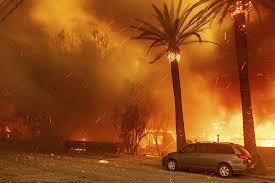
The fire that broke out in Los Angeles on January 13, 2025, has been a stark reminder of the ever-present wildfire risk in the region. While the fires are not yet fully contained, the response from both officials and the community has been swift and determined. Our thoughts are with the families and individuals affected by this devastating event, and we hope that with continued efforts, recovery will be swift, and lessons will be learned to better prepare for future disasters.
As Los Angeles rebuilds, the importance of fire resilience, community support, and addressing the root causes of these increasingly frequent wildfires cannot be overstated. This fire, like so many before it, underscores the need for collective action in protecting our environment, our homes, and our communities from the growing threat of wildfires.